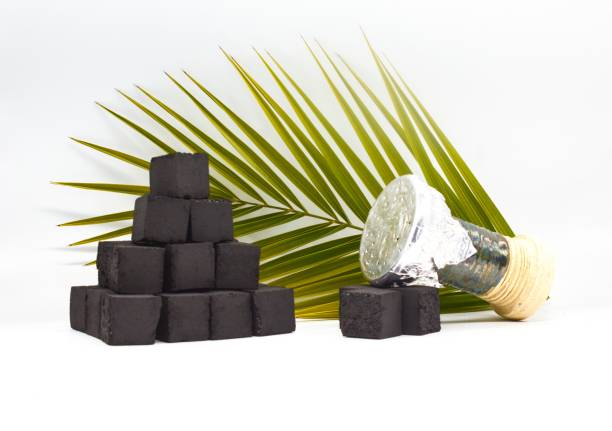
Indonesia is one of the world’s largest coconut producers, generating millions of tons of coconut waste every year. From traditional markets to large-scale plantations, coconut shells are often left unused or burned inefficiently, contributing to environmental problems.
At the same time, global demand for sustainable and eco-friendly fuel is increasing. This creates an opportunity to turn agricultural waste into valuable products like coconut charcoal and briquettes.
Coconut charcoal has emerged as a practical solution that not only reduces waste but also supports environmental sustainability and local economies. Here are 10 ways it contributes to a more sustainable future.
1. Waste Utilization
Coconut charcoal begins with coconut shells, a by-product of the coconut industry that is often discarded as waste. Instead of being left to decompose or burned inefficiently, these shells are collected and processed into charcoal.
Through carbonization and briquetting, the shells are transformed into a valuable fuel source. This process adds economic value to what would otherwise be unused material.
By converting waste into energy, coconut charcoal supports a circular economy. It reduces landfill waste and promotes more efficient use of natural resources.
2. Forest Protection
Traditional charcoal production often relies on cutting down trees, contributing to deforestation and environmental degradation. Coconut charcoal offers a sustainable alternative by using agricultural waste instead of wood.
Because it does not require tree harvesting, it helps reduce pressure on forests and preserves natural ecosystems. This is especially important in regions where deforestation is a major concern.
By choosing coconut charcoal, consumers and industries can actively support forest conservation. It provides an eco-friendly solution without compromising performance.
3. Clean Burning
Coconut charcoal is known for its cleaner combustion compared to many conventional fuels. It produces less smoke and fewer harmful emissions during use.
This makes it a healthier option for both indoor and outdoor environments, such as homes, restaurants, and shisha lounges. Reduced emissions also mean less impact on air quality.
Cleaner burning contributes to a safer and more comfortable user experience. It aligns with growing demand for environmentally friendly fuel options.
4. High Efficiency
Coconut charcoal has a high energy density, meaning it can produce more heat with less material. This makes it a highly efficient fuel choice for various applications.
Because of this efficiency, users require less charcoal to achieve the same results. This reduces overall consumption and lowers environmental impact.
Higher efficiency also translates into cost savings over time. It offers both economic and environmental benefits for users.
5. Long Burning
Coconut charcoal briquettes are dense and compact, allowing them to burn longer than many other types of charcoal. This provides a steady and consistent heat output.
Longer burning time means fewer refueling interruptions, making it ideal for activities like grilling and shisha use. It improves convenience and performance.
By reducing the need for frequent replacement, it helps conserve resources. This makes coconut charcoal a more sustainable and practical fuel option.
6. Low Residue
Coconut charcoal produces significantly less ash compared to traditional charcoal. This makes it a cleaner option for both cooking and heating applications.
Low ash production reduces the amount of waste left after use. It also minimizes the need for frequent cleaning, making it more convenient for users.
By generating less residue, coconut charcoal contributes to a more efficient and environmentally friendly fuel cycle. It helps reduce overall waste output.
7. Economic Support
The production of coconut charcoal creates job opportunities, especially in rural and coastal areas where coconuts are abundant. Local communities benefit from collecting, processing, and distributing the product.
This industry supports small businesses and encourages entrepreneurship. It transforms a low-value by-product into a profitable commodity.
By boosting local economies, coconut charcoal contributes to sustainable development. It provides long-term income opportunities while promoting environmental responsibility.
8. Stable Supply
Coconuts are harvested throughout the year in many tropical countries, ensuring a steady supply of raw materials. This makes coconut charcoal a reliable and consistent fuel source.
Unlike wood-based charcoal, which depends on tree availability, coconut shells are continuously produced as part of agricultural activities. This reduces supply chain uncertainty.
A stable supply supports sustainable production and long-term planning. It also helps meet growing global demand without depleting natural resources.
9. Renewable Source
Coconut charcoal is derived from coconut shells, which come from a renewable agricultural cycle. As long as coconuts are cultivated, shells will continue to be available.
This makes coconut charcoal a sustainable alternative to fossil fuels and non-renewable energy sources. It relies on a naturally replenishing resource.
Using renewable materials helps reduce environmental impact and supports greener energy solutions. It aligns with global efforts toward sustainability.
10. Circular Economy
Coconut charcoal represents a strong example of circular economy principles. It transforms agricultural waste into a valuable and long-lasting product.
Instead of discarding coconut shells, they are reused and repurposed, extending their lifecycle. This reduces waste and maximizes resource efficiency.
By supporting reuse and sustainability, coconut charcoal helps create a more responsible production system. It encourages industries to adopt eco-friendly practices.
If you are looking for high-quality coconut charcoal briquettes that support sustainability while delivering premium performance, Magnus Java Azura is your trusted partner.
They specialize in export-grade coconut charcoal for BBQ, hookah, and shisha, offering consistent heat, low ash, and long burning time.
Make the switch today and choose a cleaner, more sustainable fuel solution with Magnus Java Azura.
FAQ About Coconut Charcoal Sustainability
1. Is coconut charcoal really eco-friendly?
Yes, coconut charcoal is considered eco-friendly because it uses waste materials like coconut shells instead of cutting trees. It also produces less smoke and ash compared to traditional charcoal.
2. Why is coconut charcoal better than wood charcoal?
Coconut charcoal helps reduce deforestation, burns longer, and produces less residue. It is also more efficient due to its higher energy density.
3. Is coconut charcoal renewable?
Yes, it is renewable because it comes from coconut shells, which are continuously produced as part of the coconut harvesting cycle.
4. Does coconut charcoal produce less smoke?
Yes, high-quality coconut charcoal produces minimal smoke and odor, making it ideal for indoor and outdoor use, including shisha.
5. Can coconut charcoal support local communities?
Absolutely. The industry creates jobs in rural areas and supports small businesses by turning agricultural waste into valuable products.