by owner | Aug 21, 2026 | Uncategorized
Cocofiber, also known as coco fiber or coconut coir fiber, is a natural fiber obtained from the outer husk of coconuts. Instead of allowing coconut husks to become agricultural waste, they can be processed into useful materials for agriculture, manufacturing,...

by owner | Aug 21, 2026 | Uncategorized
Cocopeat for hydroponics has become a popular growing medium because it provides a good balance between moisture retention and root aeration. Made from processed coconut husk, cocopeat can hold a significant amount of water while still maintaining spaces that allow...

by owner | Aug 21, 2026 | Uncategorized
A 5kg cocopeat block is a practical way to store and transport a large volume of growing medium in a compact form. Instead of shipping loose cocopeat that takes up significant space, the material is compressed into a dense block and expanded with water before use....

by owner | Jul 24, 2026 | Uncategorized
Charcoal volatile matter refers to the compounds released as gas or vapor when coconut charcoal briquettes are heated in a controlled environment without enough oxygen for complete combustion. These compounds may include residual gases, organic vapors, and other...
by owner | Jul 24, 2026 | Uncategorized
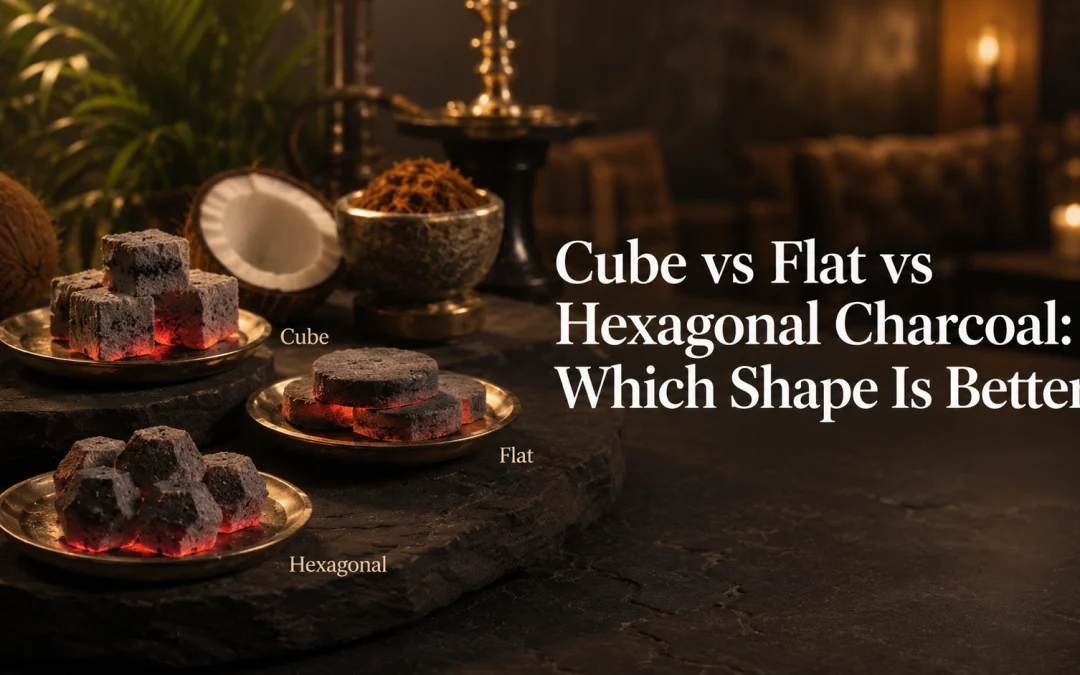
Coconut charcoal shapes are often the first thing buyers notice, but shape alone does not determine briquette quality. Technical factors such as moisture, ash content, fixed carbon, and volatile matter also influence how charcoal lights, burns, and produces heat....
by owner | Jul 24, 2026 | Uncategorized
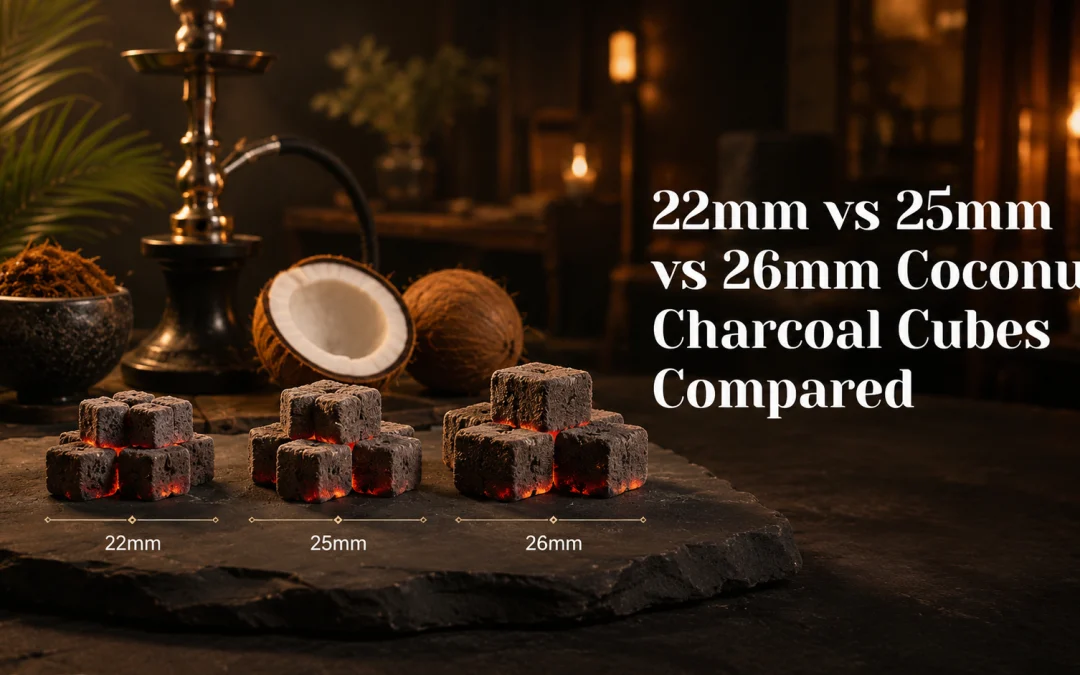
Charcoal cube sizes can influence heat output, burning duration, bowl compatibility, and the overall hookah experience. Among the most common options available in the market are 22mm, 25mm, and 26mm coconut charcoal cubes. Although the difference is only a few...