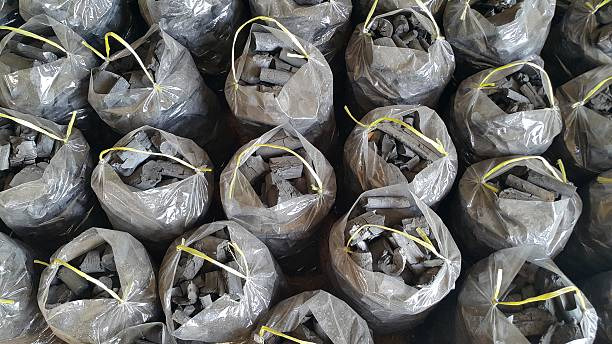
Indonesia has long been the epicenter of the global shisha market, accounting for approximately 80% of the world’s coconut charcoal supply. The industry has evolved from traditional production methods into a high-precision engineering sector, making it a highly competitive landscape for international brands. For global distributors and brand owners, identifying a top-tier hookah charcoal cubes Indonesia maker requires looking beyond the “natural” label and understanding the rigorous technical standards that separate premium exports from standard grade products.
To ensure you are partnering with a world-class factory that can sustain long-term growth, here are the five definitive signs of a premium manufacturer.
Contents
1. Strategic Regional Sourcing

In the world of coconut charcoal, the “raw material” is not a monolith. Most generic makers source coconut shells from any available plantation to lower costs. However, top-tier Indonesian manufacturers utilize a strategic regional sourcing model based on the geological and climatic differences of the Indonesian archipelago.
-
Sulawesi Shells (The Gold Standard): These are highly prized for being thicker and significantly denser. Top makers use Sulawesi raw materials for their “Elite Grade” cubes because the shells have a higher density. This results in superior heat retention and a longer burn time—often exceeding 2.5 hours—without the cube shrinking prematurely.
-
Sumatran and Javanese Shells: While still high-quality, these shells tend to have a slightly lower silica content, which results in a cleaner, “snow-white” ash (often below 2%). Premium makers often create a proprietary blend of these shells to balance heat duration with ash aesthetics.
A top-tier maker doesn’t just claim “Indonesian origin.” They can identify the specific island of origin and explain how the mineral content of that region‘s soil affects the ash color and heat stability of your charcoal.
2. Rigorous Lab-Verified Specifications

Quality in the hookah industry is a chemical reality, not just a marketing claim. According to data from Statistics Indonesia (BPS), the surge in value-added charcoal exports is driven by manufacturers who adhere to strict international laboratory parameters.
A reputable maker will provide a Report of Analysis (ROA) from independent surveyors like SGS, Carsurin, or Beckjorindo. When reviewing a manufacturer, these are the technical benchmarks that signify a top-tier product:
| Technical Parameter | Industry Standard | Premium/Elite Standard |
| Fixed Carbon | 75% – 80% | 85% + |
| Ash Content | 2.5% – 3.0% | 1.5% – 1.8% |
| Moisture Content | < 8% | < 5% |
| Volatile Matter | 13% – 15% | Max 12% |
| Calorific Value | 7,000 kcal/kg | 7,800+ kcal/kg |
High Fixed Carbon ensures the heat stays consistent and the coal doesn’t smell. Low Volatile Matter prevents the “shisha headache” often caused by under-carbonized wood or shells. If a maker cannot provide a lab report less than six months old, it is a sign of inconsistent production.
3. Industrial-Grade Dehydration and Precision Pressing
Consistency is the most difficult challenge in charcoal manufacturing. Low-end makers often rely on “sun drying,” which is highly susceptible to humidity changes, leading to inconsistent internal moisture and “popping” (charcoal exploding) during use.
Top Indonesian makers invest in high-capcity industrial infrastructure:
-
Industrial Gas Ovens: Premium makers use multi-stage oven systems that dry the cubes for 24 to 48 hours at controlled temperatures. This ensures the core of the cube is as dry as the surface, preventing the charcoal from “dying out” in the middle of a smoking session.
-
High-Pressure Extrusion: Elite makers apply a controlled force of 8 to 15 kilonewtons during the pressing stage. This high-density compression ensures the cube maintains its edges and does not crumble when handled with shisha tongs or dropped.
Ask for a technical walkthrough of their drying process. A factory that uses precision-controlled ovens is capable of delivering the same quality in the rainy season as they do in the dry season.
4. Comprehensive Shipping Safety and Global Compliance
Exporting charcoal is notoriously complex due to its classification as a Hazardous Material (Class 4.2: Spontaneously Combustible). Shipping lines are increasingly strict, and a top maker must be an expert in logistics as much as chemistry.
To identify a leader, check for these non-negotiable compliance documents:
-
SHT (Self-Heating Test): This is the most critical safety document. It proves the charcoal won’t spontaneously ignite during weeks in a hot shipping container. The test involves monitoring the charcoal in a heated chamber at 140°C for 24 hours.
-
REACH Certification: If you are importing to the European Union, this certification ensures that no toxic chemical binders (like coal or synthetic glues) are present in the cubes.
-
MSDS (Material Safety Data Sheet): A comprehensive 16-section document required for international freight, detailing chemical composition and emergency measures.
A top maker has a dedicated “Logistics & Compliance” team that understands the nuances of HS Code 4402.90.10 and can navigate the rigorous “Red Light” export procedures in Indonesian ports.
5. Physical Integrity and The “Real-World” Performance Test
Beyond the laboratory, the final sign of a top maker is their willingness to perform physical stress tests. This provides the most direct for a buyer: the difference between a cube that looks good and one that performs well under intense heat.
-
The 1-Meter Drop Test: A high-density cube should be dropped from a height of 1 meter onto a concrete floor. If it shatters or chips significantly, the binder ratio (typically 3-5% food-grade tapioca starch) was insufficient.
-
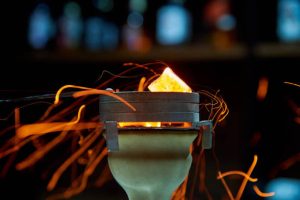
The Glow-Through Test: Once fully lit on an electric burner, the cube should be red-hot from surface to core. If the cube develops “hairline cracks” while on the burner, it indicates poor mixing of the charcoal mash.
-
The Ash Integrity: During a session, the ash should stay on the cube and not fly away with every breath (dusting). The ash color should remain “Snow White” or “Light Grey.” Brown ash is a sign of soil contamination.
A top maker will often share “Live Test” videos of your specific production batch before the final balance payment is due, ensuring the quality in the container matches the sample provided.
Choosing a hookah charcoal cubes Indonesia maker is a balance of chemistry, technology, and trust. A top-tier manufacturer functions more like a chemical processing plant than a traditional workshop. They understand that for a global brand, one bad batch can ruin a reputation.
When vetting your next supplier, look for those who prioritize transparency in their sourcing and rigidity in their testing. By focusing on these five pillars—Regional Sourcing, Lab Specifications, Industrial Tech, Global Compliance, and Physical Integrity—you ensure that your business is anchored to the gold standard of the Indonesian charcoal industry.
If you are looking for a partner that embodies all the rigorous standards of premium production, look no further than Magnus Java Azura. As a leading exporter of premium coconut charcoal, we specialize in delivering consistency, safety, and high-performance cubes tailored for the global market.
At Magnus Java Azura, we don’t just supply charcoal; we provide a bridge to Indonesian excellence. With lab-verified specifications, 100% natural sourcing, and full international compliance, we ensure your brand stands out in a crowded market.
Ready to secure your supply of the finest hookah charcoal cubes from Indonesia? Contact Magnus Java Azura today to request your sample and experience the difference that true precision engineering makes.
Frequently Asked Questions (FAQ)
1. Why is Indonesia considered the best source for hookah charcoal?
Indonesia possesses a unique combination of volcanic soil, which produces high-density coconut shells, and a mature manufacturing ecosystem. Unlike wood charcoal, Indonesian coconut charcoal is sustainable, odorless, and has a significantly higher calorific value ($>7,500$ kcal/kg), providing a much cleaner smoking experience.
2. How long does a standard 25mm cube burn?
A standard grade cube typically lasts about 60-90 minutes. However, a premium hookah charcoal cubes Indonesia product from a top maker will consistently burn for 120 to 150 minutes, maintaining steady heat throughout.
3. What causes the “shisha headache” and can the charcoal be the culprit?
Yes. Headaches are often caused by “Volatile Matter” (gas yang belum terkarbonisasi sempurna) or chemical additives in low-quality charcoal. Top makers ensure Volatile Matter is below 12% and use 100% food-grade binders (tapioca starch) to eliminate this issue.
4. What is the difference between “Natural” and “Quick-Light” charcoal?
Natural charcoal (like coconut cubes) contains no accelerants and requires an external heat source to light. Quick-light charcoal contains sulfur or benzene, which allows it to light with a match but alters the flavor of the shisha and releases harmful fumes. Top Indonesian makers focus exclusively on 100% natural products.
5. How can I verify if a manufacturer’s SHT certificate is valid?
You should cross-check the certificate number with the issuing surveyor (e.g., SGS or Beckjorindo). Additionally, ensure the name of the factory on the certificate matches the company you are dealing with, as some brokers use third-party certificates illegally.