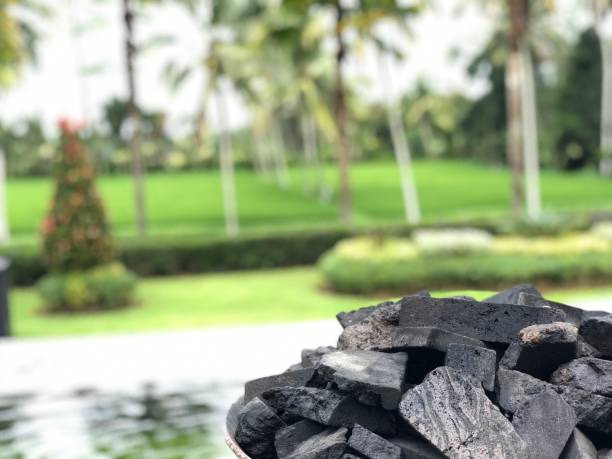
Indonesia coconut charcoal has long been recognized as the undisputed gold standard in the global shisha and BBQ industries. Simply knowing your supply “comes from Indonesia” is no longer enough to stay ahead. With the global market projected to hit a staggering USD 5.68 billion this year, savvy buyers are looking deeper into the archipelago to leverage the specific regional advantages of each island.
As a buyer or business owner, you aren’t just looking for fuel; you’re looking for consistency, heat longevity, and—most importantly—shipping safety. It’s vital to understand that not all coconut shells are created equal. Differences in soil, climate, and local processing methods define the “personality” of the charcoal produced.
The following is a breakdown of the top 7 regions where the best charcoal is produced, offering the boots-on-the-ground insights you need to navigate supply chain.
Contents
- 1. Riau: The Raw Material Powerhouse
- 2. Central Java: The Artisans of the Briquette
- 3. North Sulawesi: Volcanic Soil, Premium Heat
- 4. East Java: The Logistics and Certification Hub
- 5. North Maluku: Purity from the Spice Islands
- 6. Lampung: The Strategic Bridge to Sumatra
- 7. Southeast Sulawesi: The Rising Star
1. Riau: The Raw Material Powerhouse
If you are looking for sheer production scale, Riau is the place to be. According to the latest reports from BPS (Statistics Indonesia), Riau remains the country’s largest coconut producer, yielding hundreds of thousands of tons annually.
Historically, Riau was just a source for raw shells shipped to Java. However, there has been a major shift recently. We are seeing a surge in “Source-to-Port” manufacturing in areas like Indragiri Hilir.
Processing closer to the plantations significantly slashes logistics costs and carbon footprints. Riau is your primary target if you need bulk activated carbon or raw natural charcoal feedstock.
Read also: 10 Benefits of Using Coconut Charcoal for Grilling
2. Central Java: The Artisans of the Briquette
Think of Central Java—specifically the Klaten, Solo, and Magelang triangle—as the “Silicon Valley” of the charcoal world. While they don’t have as many coconut trees as Riau, they possess the best “kitchens” and technology.
This is where the world’s premium shisha brands are born. Factories here have mastered the art of creating briquettes that produce the coveted White/Silver Ash finish.
This region leads the industry in safety standards. With strict shipping regulations now in place, Central Java factories are the best prepared to pass rigorous audits and ensure your goods are safe for long-haul sea freight.
3. North Sulawesi: Volcanic Soil, Premium Heat
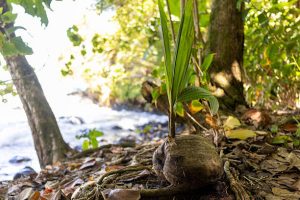
North Sulawesi, particularly around Manado and Bitung, is a hidden gem for high-end shisha enthusiasts who demand the best.
Because the coconuts grow in volcanic soil, the shells are incredibly dense. This results in charcoal with a very high Fixed Carbon content (often exceeding 80%).
You no longer need to wait for these shells to be sent to Java. The Port of Bitung has been upgraded into a fully functional international hub. If you want “Single-Origin” premium charcoal that burns hotter and longer, North Sulawesi is your answer.
4. East Java: The Logistics and Certification Hub
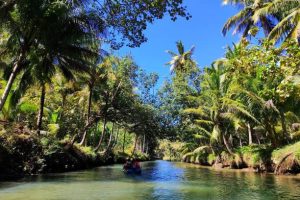
Centered around Surabaya, Sidoarjo, and Gresik, East Java is where business meets peak efficiency.
Manufacturers here are masters of consistency. They often blend shells from different islands (like Maluku and Sulawesi) to create a specific “profile” for their briquettes.
If your brand needs to comply with international environmental standards like the European Green Deal, East Java is your best bet. More factories here have adopted ISO 14001:2015 and sustainable forestry certifications than anywhere else in the country.
Read also: Why Coconut Hookah Charcoal is an Eco Choice?
5. North Maluku: Purity from the Spice Islands

North Maluku offers raw purity. Because the region is less industrialized than Java, the coconut shells are “cleaner”—meaning fewer agricultural chemicals and contaminants in the final product.
While logistics from Ternate can be a bit more challenging, the raw material is among the purest in the world. Many high-end Japanese and Korean buyers are moving their carbonization pits here to ensure their charcoal is as “natural” as possible before it reaches the final processing stage.
6. Lampung: The Strategic Bridge to Sumatra

Lampung serves as the vital gateway at the tip of Sumatra, perfectly positioned between the massive plantations of the north and the export hubs of Jakarta.
Thanks to the fully integrated Trans-Sumatra Toll Road, Lampung has become a highly efficient logistics center.
BBQ Grade charcoal. If you need steady heat output at a more competitive price point, Lampung producers offer the perfect balance between quality and cost.
7. Southeast Sulawesi: The Rising Star
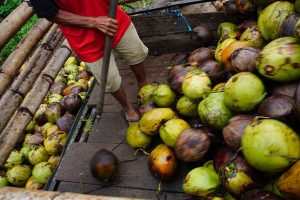
Keep a close eye on Southeast Sulawesi, especially the Kolaka region. Formerly dominated by mining, they have made a significant pivot toward coconut charcoal exports.
The local government is currently providing incentives for new export-oriented factories. This means you can often find very competitive pricing here as new players work hard to establish their reputation in the Middle Eastern and European markets.
Read also: The Best Coconut Shell Charcoal Briquette Factory from Indonesia
Don’t get distracted by fancy marketing. These are the benchmarks that actually impact your bottom line:
| Specification | Shisha Grade (Premium) | BBQ Grade (Standard) |
|---|---|---|
| Fixed Carbon | 80% – 85% (Clean heat) | 70% – 75% (Solid performance) |
| Ash Content | Under 2.5% (Minimal mess) | 3% – 5% |
| Ash Color | White / Silver | Grey / Light Brown |
| Burning Time | 2 – 2.5 Hours | 1.5 – 2 Hours |
| Moisture | Under 5% | Under 8% |
One of the biggest risks to your business this year is a rejected shipment. As of January 1, 2026, the International Maritime Organization (IMO) has implemented strict new rules for charcoal commodities.
Questions you MUST ask your supplier:
- “Do you have a valid Factory Audit (FA) report?”
- “Can you provide a Vanning Certificate for this specific container?”
- “What is your protocol for the Self-Heating Test (SHT)?”
If you are looking for a reliable partner to secure your supply chain, look no further than Magnus Java Azura Indonesia. We are a trusted coconut charcoal briquette manufacturer and supplier from Indonesia, specializing in high-quality hookah and shisha charcoal for global markets.
Based in Depok, West Java, we pride ourselves on delivering premium products that meet the rigorous demands of international clients. From superior heat retention to minimal ash production, our briquettes are crafted to elevate the shisha experience worldwide.
Contact us today to discuss your bulk requirements and experience the excellence of authentic Indonesian craftsmanship.
Frequently Asked Questions (FAQ)
Q: What makes Indonesian coconut charcoal superior to other types of charcoal?
A: Indonesia’s unique soil composition and high-density coconut shells produce charcoal with higher fixed carbon and longer burning times compared to wood or other biomass charcoal. It is also eco-friendly, as it uses waste products from the coconut industry.
Q: Why is “White Ash” preferred for Shisha?
A: White or silver ash is a sign of purity and high-quality processing. It indicates that no chemical fillers or low-quality additives were used, ensuring a clean taste and minimal mess during use.
Q: Is coconut charcoal truly sustainable?
A: Yes. It is considered a renewable energy source because no trees are cut down to produce it. We use only the shells, which are a by-product of the coconut fruit industry.
Q: How does the IMO SP978 regulation affect international shipping?
A: This regulation requires strictly controlled “weathering” and cooling processes before packing to prevent self-ignition. Compliance ensures that your shipment is safe for sea freight and won’t be rejected by major shipping lines.
Q: Can I request custom shapes or packaging?
A: Most Indonesian manufacturers offer customization, including cube, finger, or hexagonal shapes, along with private-label packaging to suit your brand’s needs.