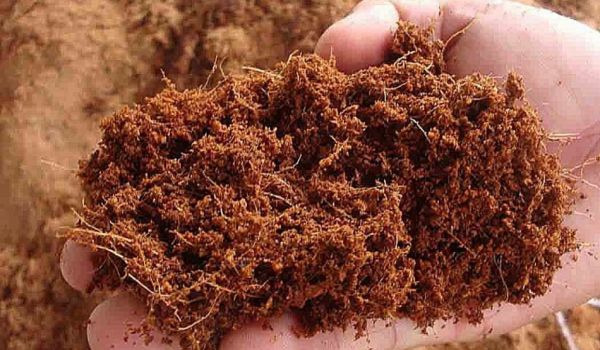
Understanding the difference between cocopeat and peat moss is essential for any modern gardener or commercial grower looking to optimize plant health while navigating the complexities of environmental sustainability.
For decades, peat moss was the undisputed king of soil-less growing media. However, with the rise of sustainable gardening and hydroponics, cocopeat (coco coir) has emerged as a formidable rival. While they may look similar to the naked eye, their chemical profiles, environmental impacts, and performance in the garden are worlds apart.
If you are trying to decide which medium is right for your nursery, indoor plants, or raised beds, this guide breaks down the 9 key differences between cocopeat and peat moss.
| Feature | Cocopeat (Coco Coir) | Peat Moss (Sphagnum) |
| Sustainability | Eco-friendly: Renewable byproduct of the coconut industry. | Non-renewable: Harvested from ancient carbon-storing bogs. |
| pH Level | Near Neutral: 5.8 – 6.8 (Minimal buffering needed). | Acidic: 3.5 – 4.8 (Requires lime/buffering). |
| Water Retention | High (Holds 8-10x its weight). | High (Holds 10-20x its weight). |
| Rehydration | Hydrophilic: Absorbs water instantly when dry. | Hydrophobic: Resists water when dry; needs wetting agents. |
| CEC (Nutrient Hold) | Moderate to High (40–100 meq/100g). | Very High (100–200 meq/100g). |
| Primary Composition | Lignin-rich: Breaks down very slowly (lasts 3-5 years). | Cellulose-rich: Breaks down quickly (compacts in 1-2 years). |
| Aeration (Air Space) | Excellent; maintains structure even when wet. | Good when fresh; poor once compacted. |
| Salinity (EC) | Can be high in salts if not “Triple Washed.” | Naturally low in salts and impurities. |
| Pathogen Defense | Contains Trichoderma (beneficial fungus). | Mostly sterile but prone to Pythium (root rot). |
| Standard Format | Compressed bricks or loose bags. | Compressed bales (often creates fine dust). |
1. Origin and Sustainability

The most significant distinction lies in where these materials come from.
-
Peat Moss: This is harvested from natural peat bogs, primarily in Canada and Russia. These bogs are ancient ecosystems that act as massive carbon sinks. Harvesting peat involves stripping the top layer of land, which releases CO2 and takes centuries to regenerate.
-
Cocopeat: A byproduct of the coconut industry, cocopeat is made from the husks of Cocos nucifera. It is a 100% renewable resource.
According to recent environmental studies, peatlands store roughly 30% of the world’s soil carbon despite covering only 3% of the land area. Transitioning to cocopeat isn’t just a gardening choice; it’s a climate-conscious decision.
2. pH Levels and Acidity
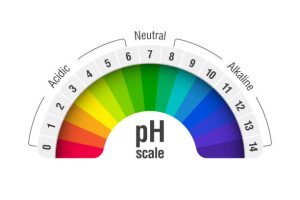
The “potential of Hydrogen” (pH) determines how easily your plants can up-take nutrients.
-
Peat Moss: Naturally acidic, typically ranging between 3.5 and 4.8. To make it suitable for most plants, growers must add calcitic or dolomitic lime to “buffer” the acidity.
-
Cocopeat: Near-neutral, usually sitting between 5.8 and 6.8.
For growers of acid-loving plants (like blueberries or azaleas), peat moss offers a natural advantage. However, for general vegetable gardening and houseplants, cocopeat provides a more stable, ready-to-use pH base.
3. Water Retention and Rehydration
Both media are famous for holding water, but they behave differently when they dry out.
-
Cocopeat: Can hold up to 10 times its weight in water. Most importantly, cocopeat is “hydrophilic” (water-loving). If it dries out completely, it reabsorbs water almost instantly.
-
Peat Moss: While it holds significant moisture, it is “hydrophobic” when dry. If you’ve ever seen water pool on top of a dry pot without soaking in, that is the peat moss resisting the moisture. You often need a “wetting agent” to get dry peat moss to absorb water again.
4. Nutrient Content and Cation Exchange Capacity (CEC)
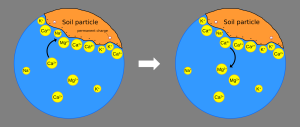
Photo from: Wikipedia
CEC is a measure of how well a medium can hold onto nutrients and release them to plant roots.
| Feature | Cocopeat | Peat Moss |
| Nutrient Presence | Rich in Potassium and Sodium | Very low (nearly sterile) |
| CEC Level | High (40–100 meq/100g) | High (100–200 meq/100g) |
| Risk | Salt buildup (High EC) | Nutrient leaching |
Cocopeat naturally contains high levels of potassium, which can be a double-edged sword. It can interfere with the uptake of Calcium and Magnesium. Professional growers using coco coir often use a “Cal-Mag” supplement to balance this chemical interaction.
5. Aeration and Air-Filled Porosity

Root health depends on oxygen. If a medium “slumps” or becomes too dense, the roots suffocate.
Cocopeat has a more “chunky” cellular structure compared to the fine fibers of peat moss. Even when fully saturated, cocopeat maintains better air-filled porosity. This makes it the superior choice for hydroponic systems where oxygenation at the root zone is critical for rapid growth.
6. Decomposition Rate (Longevity)
How long will the media last before it breaks down into “muck”?
-
Peat Moss: High in cellulose, which breaks down relatively quickly once exposed to oxygen and nitrogen. It tends to compress over a growing season, which can reduce drainage.
-
Cocopeat: High in lignin, a tough organic polymer. Lignin resists decomposition, meaning cocopeat stays “fluffy” and functional for 2 to 3 times longer than peat moss. This allows growers to reuse cocopeat for multiple seasons after a simple flush.
7. Fungal and Bacterial Resistance
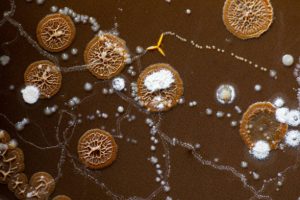
Disease management is a hidden cost of gardening. Peat moss can sometimes harbor Pythium (root rot) or other fungal spores if not processed correctly. In contrast, cocopeat is naturally resistant to many soil-borne pathogens. It contains natural lignins that encourage the growth of Trichoderma, a beneficial fungus that actually hunts and eats harmful pathogens.
8. Electrical Conductivity (EC) and Salt Content
This is the “Achilles’ heel” of low-quality cocopeat.
Because many coconuts are grown near coastlines, the husks can absorb high amounts of salt (Sodium Chloride). If the manufacturer doesn’t wash the coir thoroughly with fresh water, the high EC levels can “burn” sensitive seedlings. Peat moss, being from inland bogs, rarely has salt issues.
Pro-tip: Always look for “RHP Certified” or “Triple Washed” labels when buying cocopeat to ensure low salinity.
9. Preparation and Ease of Use
Finally, there is the “labor” aspect.
-
Peat Moss: Usually sold in compressed bales. It is dusty and can be an irritant to the lungs. It requires significant mixing with water before it’s usable.
-
Cocopeat: Usually sold in dehydrated “bricks” or “blocks.” While you have to wait for them to expand in water, they are easier to transport and store. A 5kg block can expand into 60–75 liters of usable media.
The “better” medium depends on your specific goals:
-
Choose Peat Moss if: You are growing acid-loving plants, need a sterile medium for seed starting, or are working on a very tight budget where local peat is cheaper than imported coco.
-
Choose Cocopeat if: You prioritize sustainability, want a medium that is easy to rehydrate, or are running a hydroponic setup where aeration and longevity are paramount.
By understanding these 9 keys, you can optimize your soil mix for better yields and a smaller environmental footprint.
If you have decided that the sustainability and superior aeration of coco coir are the right choice for your operation, sourcing high-quality material is the next step. Low-quality coir can lead to salt stress and poor drainage—risks you can avoid with a professional-grade supplier.
Magnus Java Azura provides export-quality cocopeat specifically processed to meet the rigorous demands of commercial growers and distributors worldwide.
Frequently Asked Questions (FAQ)
1. Can I use cocopeat for all plants? Most plants thrive in cocopeat, but acid-loving plants (Blueberries, Gardenias) may prefer the natural acidity of peat moss.
2. Is cocopeat more expensive than peat moss? While initial costs vary by region, cocopeat is often more cost-effective over time due to its reusability (up to 3+ years).
3. Do I need to add fertilizer to cocopeat? Yes. Since cocopeat is a soil-less medium, you must provide a complete nutrient solution, specifically one with added Calcium and Magnesium (Cal-Mag).
4. Why is low EC important? An EC above 1.0 mS/cm can stunt growth. For premium results, always look for cocopeat with an EC < 0.5 mS/cm.