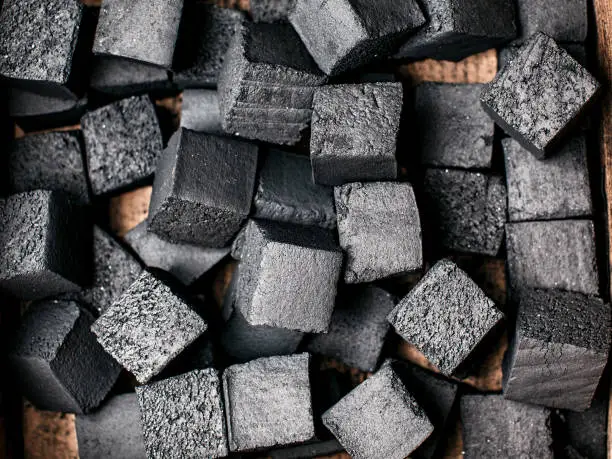
Indonesia is the global center of coconut shell charcoal briquette production. The country combines abundant raw materials, skilled labor, and decades of carbonization expertise. However, not every factory delivers the same level of quality, consistency, and reliability.
Choosing the best coconut shell charcoal briquette factory requires more than comparing prices. Buyers must understand production standards, raw material handling, and long-term supply capability. This article explains what truly defines a top-tier factory from Indonesia, based on manufacturing reality—not generic claims.
Contents
Why Indonesia Leads the Coconut Charcoal Industry?
Indonesia produces millions of tons of coconuts annually. The shells, once considered waste, are now transformed into high-value charcoal briquettes through controlled carbonization.
This natural advantage allows Indonesian factories to maintain stable raw material supply year-round. Consistent input quality directly impacts fixed carbon levels, ash content, and burn stability in the final product.
In addition, Indonesia has developed strong export infrastructure. Experienced factories understand international quality standards, packaging requirements, and shipping regulations, making them reliable partners for global buyers.
Characteristics of the Best Charcoal Briquette Factory
A high-quality factory operates with process discipline, not shortcuts. The best manufacturers control every stage, from shell selection to final packaging.
First, raw materials are sorted and dried to specific moisture thresholds. Wet or mixed shells create unstable charcoal that cracks or sparks excessively.
Second, carbonization is done using calibrated kilns. Temperature and oxygen control determine charcoal density and purity. Factories that rely on uncontrolled burning cannot deliver consistent results.
Finally, premium factories perform batch testing. Ash content, burn time, drop resistance, and odor are measured regularly to ensure export-grade consistency.
Production Capacity and Scalability Matter
Small workshops may produce good samples but fail at scale. The best coconut shell charcoal briquette factories are built for volume without sacrificing quality.
Scalable factories use standardized molds, automated mixing, and controlled drying rooms. These systems ensure uniform shape and density across large orders.
For importers, scalability reduces supply risk. A factory that can handle both trial orders and container-scale shipments offers long-term stability, not just short-term deals.
Quality Indicators Buyers Should Evaluate
When sourcing from Indonesia, buyers should focus on measurable indicators rather than marketing language. Key factors include:
-
Fixed carbon content suitable for hookah or grilling
-
Ash content consistently below industry thresholds
-
Uniform briquette size with minimal breakage
-
Neutral smell during ignition and use
-
Stable burn time across multiple batches
Factories that willingly share test data and production details are usually more trustworthy than those who avoid technical discussions.
Sustainability and Ethical Production
The best factories treat sustainability as an operational standard, not a slogan. Coconut shell charcoal is inherently eco-friendly, but production practices still matter.
Responsible factories source shells from agricultural waste only, avoiding deforestation. They also manage emissions, reuse heat where possible, and minimize water waste.
Ethical labor practices are another indicator of long-term reliability. Factories that invest in worker safety and training tend to deliver better consistency and lower operational risk.
Export Readiness and Documentation
A factory may produce excellent charcoal but still fail as an export partner. Documentation and logistics experience are critical.
Top factories provide complete export documents, including packing lists, certificates of origin, and fumigation when required. They also understand destination-specific regulations in the Middle East, Europe, and the Americas.
Clear communication, accurate lead times, and transparent packing specifications separate professional exporters from domestic-only producers.
Why Factory Transparency Is a Competitive Advantage?
The best coconut shell charcoal briquette factories are transparent about their processes. They can explain kiln types, binder usage, moisture control, and quality testing without hesitation.
Transparency builds trust and reduces onboarding time for new buyers. It also allows importers to align product specifications with their own market needs.
Factories that hide production details often rely on inconsistent outsourcing, which increases quality risk over time.
How to Choose the Right Factory Partner?
Selecting the best factory is about fit, not just ranking. Buyers should consider:
-
Required specifications and certifications
-
Order volume and growth plans
-
Communication quality and responsiveness
A factory that understands your business goals will perform better than one offering generic solutions.
Conclusion
The best coconut shell charcoal briquette factory from Indonesia is defined by control, consistency, and credibility. Superior raw material handling, disciplined carbonization, scalable production, and export expertise create long-term value for buyers. In a competitive global market, choosing the right factory partner is a strategic decision that directly affects product quality and business growth.
MagnusJava is a reliable coconut shell charcoal briquette manufacturer from Indonesia, supplying export-grade products for hookah, shisha, and global markets. With controlled production, consistent specifications, and scalable capacity, MagnusJava supports buyers seeking long-term supply partnerships. Contact MagnusJava today to request samples or a quotation and start sourcing with confidence.
FAQ About Indonesian Charcoal Factories
Q: Are all Indonesian charcoal factories the same?
A: Not at all. Quality varies widely depending on raw materials, carbonization method, and quality control.
Q: Why do some shipments differ in quality?
A: Inconsistent production, mixed raw materials, or outsourcing without control are common causes.
Q: Is visiting the factory necessary?
A: It helps, but not always required. Detailed documentation, samples, and testing data can also build confidence.
Q: Can one factory handle multiple markets?
A: Yes, if it has flexible production lines and clear specifications for each product type.
Q: Is cheaper charcoal always a bad sign?
A: Not always, but extremely low prices often indicate shortcuts in raw materials or processing.