
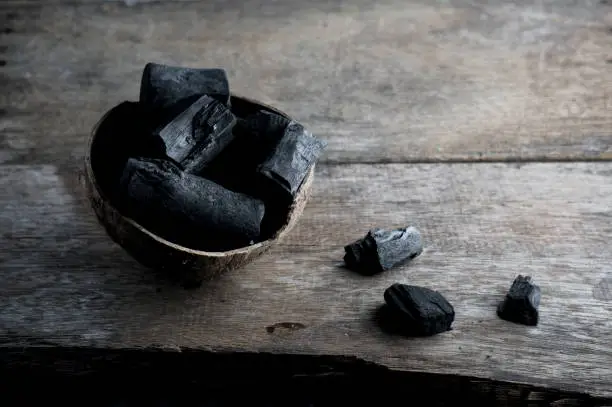
Grilling demands reliable heat, clean combustion, and consistent results. The quality of charcoal directly affects cooking temperature, flavor accuracy, and overall grilling efficiency. Using the wrong fuel often leads to uneven heat, excessive smoke, and unnecessary waste.
Coconut charcoal offers a refined solution to these common problems. Produced from carbonized coconut shells, it delivers high heat output, long burn time, and minimal residue. More importantly, it provides predictable performance, making it a preferred choice for serious home grillers and professional kitchens alike.
1. Higher and More Stable Heat Output
Coconut charcoal produces a higher calorific value than most hardwood charcoals. Once ignited, it reaches grilling temperature quickly and maintains it with minimal fluctuation. This stability is critical when grilling meats that require precise heat control, such as steaks, ribs, or seafood.
Because the density of coconut shells is naturally high, the charcoal burns evenly from the core outward. This reduces hot spots and eliminates the need to constantly rearrange fuel during grilling sessions.
2. Longer Burning Time
One of the most practical benefits of coconut charcoal is its extended burn duration. A single load can last up to twice as long as conventional lump charcoal, depending on airflow and grill design.
For long grilling or smoking sessions, this means fewer interruptions to add fuel. It also reduces overall charcoal consumption, which translates into cost efficiency over time, especially for frequent grillers or commercial use.
3. Minimal Smoke and Odor
Coconut charcoal emits significantly less smoke once fully lit. This is due to its low volatile compound content and high carbon purity. Less smoke means better visibility, fewer flare-ups, and a more comfortable grilling environment.
Importantly, the reduced odor prevents fuel aroma from overpowering the natural flavor of food. This is especially beneficial when grilling delicate items like fish, vegetables, or marinated meats.
4. Neutral Flavor Profile
Unlike some hardwood charcoals that impart strong or inconsistent flavors, coconut charcoal is neutral. It does not alter the taste of food, allowing seasonings, marinades, and natural meat flavors to stand out.
For grillers who prefer flavor control through spices and sauces rather than fuel, this neutrality is a major advantage. It also ensures consistent results across different grilling sessions.
5. Low Ash Residue
Coconut charcoal produces up to 70% less ash compared to traditional charcoal. The ash that remains is fine and compact, making cleanup easier and faster.
Low ash accumulation improves airflow inside the grill, which directly affects heat efficiency. Better airflow means more stable combustion and less manual adjustment during cooking.
6. Environmentally Sustainable Fuel
Coconut charcoal is made from agricultural waste: discarded coconut shells. No trees are cut down specifically to produce it. This makes it a renewable and sustainable fuel source.
In regions with strong coconut industries, production also supports waste reduction and local economies. From an environmental standpoint, coconut charcoal has a smaller ecological footprint than wood-based charcoal.
7. Cleaner and More Efficient Combustion
The high fixed carbon content of coconut charcoal allows for more complete combustion. This results in less carbon monoxide release and fewer unburned particles.
Cleaner combustion is not only better for the environment but also safer for users, particularly in semi-enclosed grilling areas where ventilation may be limited.
8. Consistent Shape and Size Options
Coconut charcoal is often produced in uniform shapes such as hexagonal or cube briquettes. This consistency improves airflow management and stacking inside the grill.
Uniform pieces ignite more evenly and burn at a predictable rate. For professionals, this consistency reduces guesswork and improves cooking accuracy.
9. Cost-Effective Over Time
While coconut charcoal may have a higher upfront price than conventional charcoal, its long burn time and efficiency reduce overall usage. Over multiple grilling sessions, the cost difference often balances out or becomes favorable.
Additionally, reduced waste, fewer refills, and less cleanup time contribute to indirect savings, especially in commercial or high-frequency grilling scenarios.
10. Suitable for Multiple Grilling Styles
Coconut charcoal adapts well to different grilling methods, including direct grilling, indirect grilling, and low-and-slow smoking. Its heat stability makes it versatile across cooking styles.
Whether using a kettle grill, ceramic kamado, or open grill, coconut charcoal performs reliably. This versatility eliminates the need for multiple fuel types.
Conclusion
Coconut charcoal is not a trend-driven alternative; it is a technically superior grilling fuel in many aspects. From heat stability and burn efficiency to sustainability and flavor neutrality, its advantages are grounded in material science and real-world performance. For grillers who care about control, consistency, and environmental responsibility, coconut charcoal is a smart and future-proof choice.
MagnusJava is a trusted coconut charcoal briquette manufacturer and supplier from Indonesia, specializing in high-quality hookah and shisha charcoal for global markets. With consistent quality control and sustainable sourcing, MagnusJava supports distributors and brands seeking long-term, dependable supply.
Contact MagnusJava today to request a quotation or discuss long-term supply options.
FAQ About Coconut Charcoal
Q: Is coconut charcoal harder to light than regular charcoal?
A: Slightly, yes. It’s denser, so it takes a few extra minutes. Using a chimney starter or electric starter solves this easily, and once lit, it burns much longer.
Q: Does it really make food taste better?
A: It doesn’t add flavor, and that’s the point. You taste the food, not the fuel. If you like clean, controlled flavors, coconut charcoal is a win.
Q: Is coconut charcoal safe for indoor grilling?
A: It burns cleaner, but it’s still charcoal. You should only use it indoors with grills designed for indoor use and proper ventilation.
Q: Why is there so little ash left?
A: Coconut shells have high carbon content and low impurities. That means more material turns into heat instead of ash.
Q: Is it worth switching if I already like wood charcoal?
A: If you value longer burn time, consistent heat, and easier cleanup, yes. Many people try it once and don’t go back.